
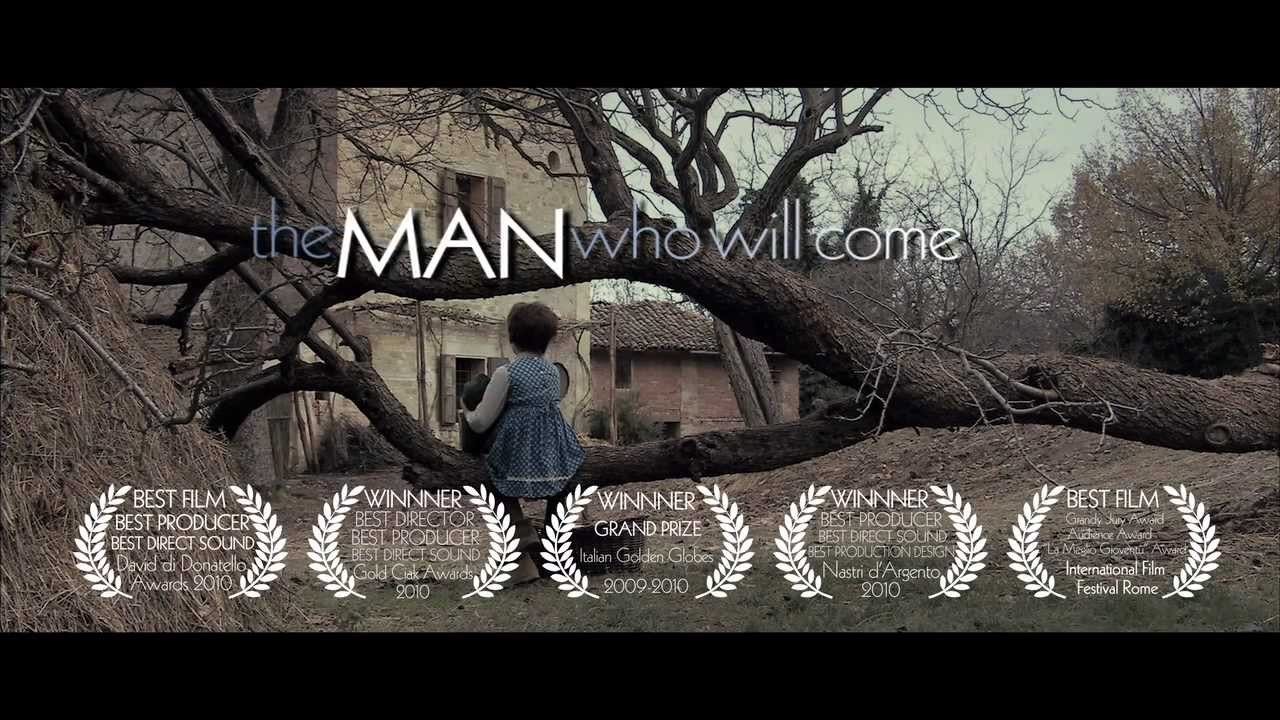
A head-turner at the Rome Film Festival in 2009, The Man Who Will Come finally receives a DVD release on Australian shores. Often it’s the case: films get passed from festival to festival to festival, the endless merry-go-round pushing back a proper cinematic release and therefore the home entertainment treatment.
For those who’ve been waiting to see this film and there are probably a few, given its reputation as the Italian answer to Katyn you’re not likely to be disappointed, The Man Who Will Come gracefully dishing out the tragedy in liberal doses. But two years have nevertheless taken some of the artistic wind out of its sails, the receding critical hype a handful of flaws.
The Man Who Will Come suffers most in trying to nail down a cohesive narrative. Writer-director Giorgio Diritti’s central character, Martina (played by the wonderful Greta Zuccheri Montanari), is mute, and while it’s adequately explained, subtextually relevant and technically well executed by both filmmaker and performer, it becomes a problem when she’s the audience’s access point for a story set against one of the great tragedies of World War II.
In the autumn of 1944 the Nazis targeted the villages around Marzabotto, near Bologna, and almost 800 people many children were murdered in reprisal for partisan raids. The Man Who Will Come focuses on the family of the 8-year-old Martina, who hasn’t spoken since her baby brother died in her arms. Her mother, Lena (Maya Sansa), is pregnant again and Martina’s hopes, along with those of her extended family, almost seem to rest on the safe arrival of this unborn child.
It’s an interesting period in World War II. The allies were just months away from liberating Bologna and the surrounding area, and that’s one of the filmmakers’ greatest achievements: highlighting the sense that the villagers caught between the partisans and the increasingly agitated Germans are being marched towards a pointless fate. The tension is like Chinese water torture, the characters’ efforts at normality frittering away into nothingness in the face of the incessant incursions by both sides.
Refreshing too, is the lack of self-importance with this film. In that regard it’s almost the flipside of the coin to the ponderous Katyn, which sank under the weight of its over egged catharsis.
Where The Man Who Will Come is like Katyn is in its faulty screenplay. Diritti and his co-writers, Giovanni Galavotti and Tania Pedroni, were too ambitious in their coverage, perhaps choosing the wrong character to place at the centre of their story. Martina’s fascinating, but her story feels to disconnected from what’s going on around, the film flipping from the family to the farmers, the farmers to the partisans, the partisans to the clergy. It means very few of the characters have been very well drawn, with the possible exception of Martina’s father, Armando (although that could be down to a sublime big screen debut by Claudio Casadio).
Suffering most of all are the hapless Germans. The simplification is understandable given the pressures the film has brought upon itself, but nevertheless disappointing. These despicable, cowardly versions of the type hamper the film’s climax, helping sink the filmmakers’ attempts to explain exactly why the SS troops went on their murderous rampage through the area.
Still, at the centre of The Man Who Will Come is the magical Montanari. She is revelation in this film, and will no doubt be an Italian actress to watch in the future. Her performance helps push this flawed feature over the line, and makes it a worthy hire on your next Sunday afternoon at home.
I say:
A flawed feature that never quite delivers on its early promise. Still, The Man Who Will Come is an interesting look into one of modern history’s more pointless tragedies.
See it for:
Montanari is great, despite the deficiencies of her character. Likewise, Casadio makes the most of Armando, the resourceful patriarch who struggles to feed his family.
For more movies like The Man Who Will Come 2009 visit Hurawatch.
Also watch: