

Yesterday, I criticized Guardian film critic, Ron Bergan, for being too pretentious about the ‘art of cinema’. Though reading his posts is similar to being reprimanded by your father for throwing dirt in the street, he does have a wide knowledge of film, and his recommendations are probably worth watching.
Bergan recommended The Story of the Weeping Camel as a movie that would delight young audiences, instead of feeding them the usual diet of Harry Potter and whatever animated film is big at the time. Naturally, people were horrified that he’d recommend something with subtitles to children.
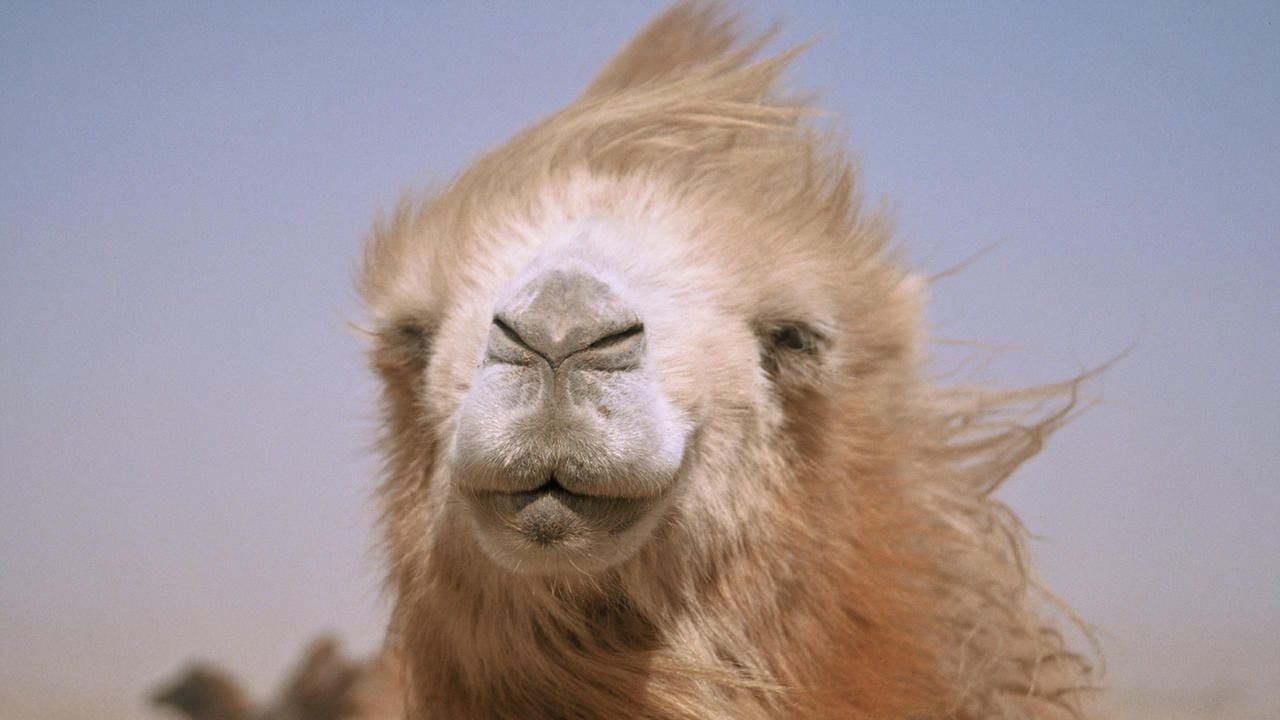
I watched The Story of the Weeping Camel last night, remembering Bergan’s advice, and have to agree with him. Children and adults will absolutely love this film. it’s shot in Mongolia, recording the story of a family of camel herders in the Gobi desert.
Most documentaries filmed in other countries use a narrator to inform the audience of the situation. Some scenic shots, tearful interviews, maybe a little controversial footage and the documentary is sold.
The Story of the Weeping Camel, directed by Byambasuren Davaa and Luigi Falorni, on the other hand, uses no narrator instead, relying on the visual medium to tell the story. In the barren expanses of the Gobi Desert, the film takes on a minimalist aesthetic, pleasing to the eye and relentlessly soothing. As a result, the audience is thrown directly into the setting, instead of acting as a casual observer, making the film feel unusually personal.
There is a story, and it’s quite moving. In fact, it’s so heartbreaking that it could move a theatre to tears, I bet. I won’t spoil it for you here, but I clenched my fists in impotent frustration.
Children would adore the camels are magnificent animals, and the Mongolian children live harsh, yet carefree lives, it seems taking joy in small pleasures.
Through them, we take small pleasures, too warm and safe in their yurt, the camel herding family sits down for a confined dinner. The simplicity of the food and the cozy furnishings make you dream of a simple life, with the brace of cold air, the taste of fresh milk and warmth from a crackling fire.
Midway through the movie, the two boys are sent on an errand to go to the nearest town to buy supplies. They ride on camel and delighted by the stimulations of busy city life. Ice cream, things on sale, television programs.
Really, though, the ‘town’ is hardly more than a village, with nothing around, by our lofty Sydney standards. After having watched life out in the desert for 40 minutes, though, it’s jolting to see the change to relatively modern living.
The Story of the Weeping Camel shows the beauty and tranquility of life out in the Gobi, where family and camels hold people together. The filmmakers insinuate that the traditions of the camel herders are falling apart, just like elsewhere in the world, as the young gravitate towards change and modernization.
Inevitably, it’ll be lost that’s our small scale evolution. But after stunning sunsets in the desert and the taste of fresh milk, it seems sad that this piece of human knowledge is likely to burn out and turn to ash.
I say: Rent this the next time you’re looking for something different. Mongolia is one of the most unknown places on the Earth, but the filmmakers did a wonderful job of mixing impressive scenery with an emotional story.
See it for: The little boy, Ugda, is a cute little camel rider, and you can see that he’s eager to adopt new ways.
To watch more movies like The Story of the Weeping Camel 2003 visit hurawatch.
Also watch: